
 By
By 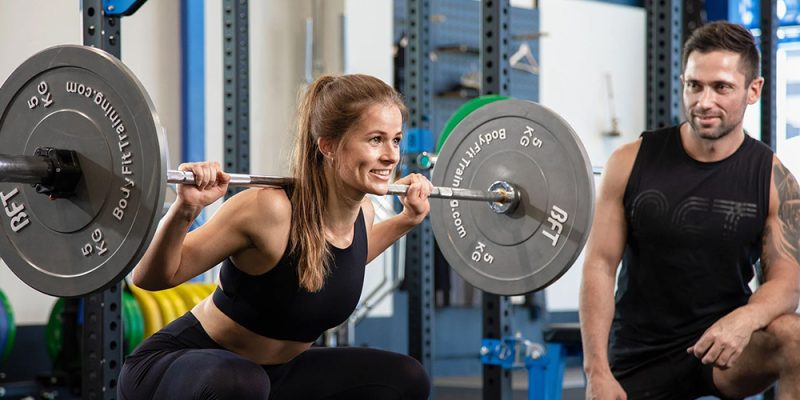
The fitness world is undergoing a remarkable transformation. Technology has become as essential to modern training as dumbbells and treadmills once were. Today, the best gym in Singapore stands out not only for its state-of-the-art facilities but also for how it integrates cutting-edge technology and nutrition science to personalise health journeys. By aligning data, diet, and movement, these gyms are reshaping how people train, recover, and sustain results.
The Rise of Smart Fitness in Singapore
As Singapore continues to embrace digital innovation, the fitness industry has evolved into a technology-driven ecosystem. From smart wearables to AI-powered analytics, tech now guides how individuals move, eat, and rest.
This evolution addresses two key needs: precision and sustainability. People no longer want generic workout plans or one-size-fits-all diets. They want to know exactly how their body responds to exercise and nutrition—and technology makes that possible.
The best gyms have recognised this shift and built systems that integrate movement science, metabolic tracking, and nutrition monitoring into every workout experience.
How Smart Workouts Personalise Performance
At the heart of the tech revolution is personalisation. Smart fitness devices collect detailed information about each member’s heart rate, calorie expenditure, muscle activity, and recovery levels. Trainers then analyse these insights to create dynamic, tailored programmes.
Common innovations include:
-
Heart rate sensors that track intensity zones in real time.
-
AI coaching systems that adjust workouts based on fatigue and recovery.
-
Motion analysis tools that correct posture and prevent injury.
-
Wearable trackers that record activity both inside and outside the gym.
This constant data flow ensures that every session is efficient, safe, and aligned with individual goals.
Nutrition Tracking: The Missing Link in Traditional Fitness
While most gyms focus heavily on training, the best gym in Singapore understands that nutrition is equally vital to success. Advanced gyms now use digital nutrition platforms that sync with fitness apps to create a unified system.
Members can log meals, monitor calorie intake, and track macronutrients—carbohydrates, proteins, and fats—according to their training demands. These platforms even recommend meals based on energy output and body composition goals.
For example, someone doing strength training might receive guidance to increase protein intake, while endurance athletes are advised to balance electrolytes and complex carbohydrates.
By merging technology and nutrition, members gain complete visibility into how their food choices impact energy levels, recovery, and performance.
AI-Powered Meal Planning for Fitness Success
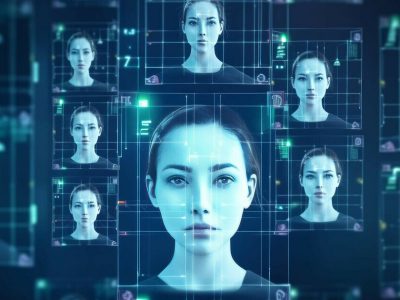
Artificial intelligence has transformed meal planning into a precise science. Gym nutrition systems now use algorithms that factor in age, gender, body metrics, and workout data to create personalised diet recommendations.
AI-driven platforms can:
-
Suggest balanced meal combinations based on caloric needs.
-
Identify nutrient deficiencies using user data.
-
Sync grocery lists and recipes with fitness apps.
-
Adapt recommendations as progress evolves.
This makes nutrition planning simple, actionable, and consistent—key ingredients for lasting results.
The Role of Data Analytics in Long-Term Progress
Technology doesn’t just enhance daily workouts; it provides long-term insights into progress. Over weeks and months, trainers can study how different variables—like sleep, diet, and recovery—affect performance trends.
With this information, gyms can adjust training cycles to avoid plateaus, prevent injuries, and keep members motivated. Data analytics also helps identify when a person needs rest, not just more effort, ensuring smarter training instead of overtraining.
Members benefit from clear progress charts, performance graphs, and measurable milestones that turn abstract goals into tangible achievements.
How Smart Gyms Build Accountability
Consistency is the foundation of success, yet staying accountable can be challenging. Smart gym technology addresses this through performance dashboards, progress notifications, and achievement badges.
Members can:
-
Receive reminders to train or hydrate.
-
Earn digital rewards for attendance and progress.
-
View side-by-side comparisons of past sessions.
-
Share achievements with friends or gym communities for motivation.
This gamified approach keeps members engaged and reinforces discipline without external pressure.
Linking Technology with Recovery
Recovery is just as crucial as training, and technology ensures it’s never overlooked. The best gyms use recovery analytics tools that monitor rest, sleep quality, and muscle fatigue.
Data from wearables such as heart rate variability sensors allows trainers to tailor recovery routines. Members receive alerts when they need rest days, stretching sessions, or massage therapy.
Gyms now incorporate:
-
Infrared therapy beds to reduce inflammation.
-
Cryotherapy chambers for muscle repair.
-
Smart foam rollers that use vibration patterns to release tension.
Such innovations help members recover faster, reduce injury risk, and maintain high performance levels over time.
The Integration of Virtual Training
Digital connectivity extends the gym experience beyond physical walls. Virtual training platforms let members stream classes, access guided workouts, and communicate with trainers remotely.
This hybrid model ensures that even when life gets busy, consistency remains possible. The best gym in Singapore combines in-person coaching with digital access to maintain flexibility and motivation.
Members enjoy options such as:
-
Live video sessions for personal training.
-
On-demand workouts for travel days.
-
Nutrition updates via mobile notifications.
-
Performance check-ins through wearable integration.
This model fits perfectly into Singapore’s fast-paced urban lifestyle, offering structure without rigidity.
Smart Gyms and Sustainability
Technology in fitness isn’t just about convenience—it also supports sustainability. Smart energy systems automatically regulate lighting, temperature, and equipment power usage.
By integrating energy-efficient machines and cloud-based systems, gyms minimise resource waste while maximising operational efficiency. This reflects Singapore’s national push toward greener living and responsible innovation.
The TFX ecosystem, for instance, blends intelligent infrastructure with member-centred technology to ensure both health and environmental goals coexist seamlessly.
How Technology Enhances Trainer Expertise
While machines provide data, trainers interpret it. Smart gyms empower coaches to make evidence-based decisions rather than rely solely on observation.
Trainers can:
-
Identify performance patterns early.
-
Recommend nutrition changes with precision.
-
Tailor recovery based on analytics.
-
Prevent injuries by spotting form inconsistencies.
This symbiotic relationship between human expertise and technology ensures that members receive the best of both worlds: scientific precision and personal guidance.
Real-Life Example: A Data-Driven Transformation
Imagine a 34-year-old professional who struggles with fatigue despite regular workouts. Using smart tracking, trainers discover inconsistent sleep and poor hydration affecting recovery. After adjusting his training intensity, sleep schedule, and nutrition plan through app insights, his energy levels and performance improve within weeks.
This kind of progress highlights how data transforms guesswork into strategy—making every step measurable and meaningful.
FAQs
Q1. Do smart gyms require you to be tech-savvy?
Not at all. Most systems are intuitive, and trainers assist with setup and interpretation. The goal is to make technology effortless for all members.
Q2. Are smart fitness trackers accurate?
Yes, when used properly. Advanced devices now measure heart rate, movement, and oxygen levels with high precision, ensuring reliable data for training adjustments.
Q3. How can nutrition apps improve fitness results?
They help you understand your eating patterns, balance nutrients, and align meals with training demands. This reduces guesswork and enhances consistency.
Q4. Can smart gyms replace personal trainers?
No. Technology enhances trainer efficiency but cannot replicate personalised human judgment. The best results come from a combination of both.
Q5. Is data privacy a concern in smart gyms?
Reputable gyms prioritise secure storage and encrypted systems, ensuring your data is used responsibly and only for performance optimisation.
The best gym in Singapore is no longer defined by equipment alone. It’s a dynamic, tech-driven ecosystem that blends intelligent training, personalised nutrition, and sustainable innovation. By uniting science, data, and human expertise, it transforms fitness into a smarter, more connected, and future-ready experience.







Comments