
 By
By 
Technology has transformed nearly every part of modern life, and fitness is no exception. In Singapore, one of Asia’s most connected cities, fitness and technology now work hand in hand to create smarter, more personalised and more efficient training experiences. The modern gym Singapore environment has evolved far beyond traditional treadmills and weights. Today’s gym-goers rely on wearable trackers, artificial intelligence (AI) analytics and data-driven insights to measure, motivate and maximise every workout.
As health awareness grows, Singaporeans are using digital innovation to optimise performance, prevent injury and stay consistent in their training routines.
The Rise of Wearable Fitness Technology
Wearable devices have become the foundation of data-driven fitness. From smartwatches to heart-rate straps, these compact tools deliver a continuous stream of information about how the body performs during exercise.
In Singapore, where consumers value convenience and precision, wearable fitness technology has gained immense popularity. Most devices track metrics such as:
-
Heart rate to monitor workout intensity
-
Calories burned for energy expenditure
-
Sleep quality to assess recovery
-
Step count and activity minutes for overall mobility
-
Oxygen levels and heart-rate variability (HRV) for measuring fatigue and readiness
This information empowers users to make smarter training choices. For example, understanding when the body is fatigued helps prevent overtraining, while recognising peak heart-rate zones allows users to target specific goals such as fat loss or endurance.
How Data Shapes Smarter Workouts
The biggest shift in recent years is the move from intuition to evidence. Fitness decisions are no longer made by feel alone but supported by measurable data.
Wearable technology syncs seamlessly with mobile apps and gym systems, creating detailed progress reports. Users can identify trends, compare performance and adjust intensity accordingly. For trainers, this information is invaluable — it allows them to design personalised programmes based on individual capability rather than generic routines.
In Singapore’s results-oriented culture, data transparency enhances motivation. Members see tangible progress, which fuels accountability and long-term consistency.
AI-Driven Workouts: The Future of Personal Training
Artificial intelligence is revolutionising how fitness programmes are created and executed. AI algorithms analyse biometric data to recommend specific exercises, rest periods and nutrition adjustments. These systems adapt dynamically to each person’s progress.
For example, if a user’s heart rate remains elevated after a particular session, AI can recommend longer rest intervals in the next workout. Similarly, if performance metrics show strength improvement, it can automatically increase load or intensity.
This level of customisation mirrors what a human coach offers — but with real-time precision and continuous learning. Many digital fitness platforms now provide AI-generated feedback that adjusts workouts instantly, ensuring users train safely and effectively.
Singapore’s Embrace of Tech-Enhanced Fitness
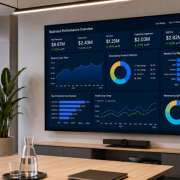
Singapore’s emphasis on innovation and health makes it an ideal environment for tech-integrated fitness. Many gyms now incorporate digital dashboards, smart equipment and AI-linked systems to enhance user experience.
At True Fitness Singapore, members enjoy a blend of modern technology and expert human guidance. Wearable integration allows trainers to monitor clients’ progress in real time, while digital platforms record individual workout histories for better tracking and analysis. The goal is to help members understand not just how hard they are working, but how well their bodies are responding.
Smart Equipment and Connected Gyms
Today’s fitness machines are more advanced than ever. Smart treadmills, bikes and resistance machines automatically adjust settings based on user data. Many connect to wearable devices or mobile apps, ensuring that every session is logged, analysed and optimised.
Gyms in Singapore increasingly use connected ecosystems where machines, wearables and apps communicate seamlessly. This provides members with detailed feedback — from calorie accuracy to movement efficiency — creating a fully personalised experience.
The Role of Recovery and Health Analytics
Modern fitness is no longer about working harder, but smarter. Recovery tracking is now a central part of the data-driven movement.
Wearables that monitor heart-rate variability and sleep cycles give users insights into recovery quality. Trainers can then plan rest days or adjust intensity to reduce fatigue. Singapore’s professionals, often managing demanding schedules, benefit from this level of precision. It allows them to balance productivity with wellness.
Furthermore, health analytics help detect early warning signs of stress or overexertion. This proactive approach keeps members consistent without risking injury.
Gamification and Motivation Through Technology
Digital fitness tools have also made exercise more engaging. Gamification — the use of rewards, leaderboards and virtual challenges — keeps motivation high.
Fitness apps in Singapore often feature community challenges where members compete for milestones or team achievements. This social component turns workouts into a shared experience rather than an individual task. Friendly competition, progress badges and personal best trackers reinforce motivation, making it easier to maintain long-term habits.
The Rise of Virtual Coaching
AI-driven coaching platforms and virtual personal trainers have gained traction in Singapore, especially among busy professionals. These services provide on-demand guidance without the need for fixed schedules.
Virtual trainers use real-time form detection and motion analysis to correct posture during workouts. This ensures safety and precision, especially for beginners or those training at home. Combined with gym access, this technology allows users to transition smoothly between in-person and online sessions — a true hybrid model of fitness.
Data Privacy and the Human Element
While technology enhances performance, it also raises questions about data privacy. Fitness devices collect sensitive biometric data that must be stored securely. Reputable gyms and app providers are implementing stricter privacy policies and encryption standards to ensure safety.
At the same time, human expertise remains irreplaceable. Trainers bring empathy, encouragement and real-world judgment that technology cannot replicate. The most effective approach combines both — AI for precision, and humans for personal connection.
The Future of Fitness in Singapore
The next phase of digital fitness will see deeper integration of AI, machine learning and health monitoring. Imagine gym systems that adjust lighting, music and temperature based on members’ stress levels or energy output.
Singapore is already moving toward predictive analytics — tools that can forecast performance plateaus or potential injuries before they occur. With this, fitness becomes a proactive science rather than a reactive process.
In the near future, we can expect:
-
Smart clothing that monitors muscle activation and posture
-
Virtual reality workouts for immersive experiences
-
Biometric-based gym entry for seamless tracking
-
Integrated health ecosystems linking doctors, trainers and nutritionists
These innovations will redefine fitness as part of everyday life, blurring the line between technology and well-being.
FAQs
Q: How do AI-driven workouts differ from traditional training programmes?
A: AI programmes continuously adapt based on your performance data. Unlike static routines, they analyse recovery, strength and fatigue levels to adjust intensity in real time.
Q: Are wearable fitness devices accurate?
A: Most modern devices are reliable for tracking trends such as heart rate and activity levels. However, occasional variations may occur depending on brand and sensor placement.
Q: Can technology replace a human personal trainer?
A: Technology can assist and enhance training but cannot fully replace human guidance. Trainers provide emotional support, accountability and experience-based insights that AI cannot replicate.
Q: Is it safe to share fitness data with apps and gyms?
A: Reputable gyms and platforms prioritise data security. Always review privacy policies and use official apps to ensure your personal information is protected.
Q: What’s next for fitness technology in Singapore?
A: Expect greater integration of AI, wearable analytics and smart environments that personalise every workout experience, both in gyms and at home.
The convergence of technology and fitness in Singapore signals a new era of intelligent wellness. From AI-driven coaching to precision data tracking, the focus is shifting from simple workouts to holistic, evidence-based performance. With innovation leading the way, the modern gym experience is becoming more connected, personalised and empowering than ever before.









Comments