
 By
By 
The Internet is one of the most transformative innovations in human history. It connects billions of devices worldwide, enabling people to communicate, access information, conduct business, and share ideas instantly. From education and entertainment to banking and healthcare, nearly every aspect of modern life relies on internet connectivity.
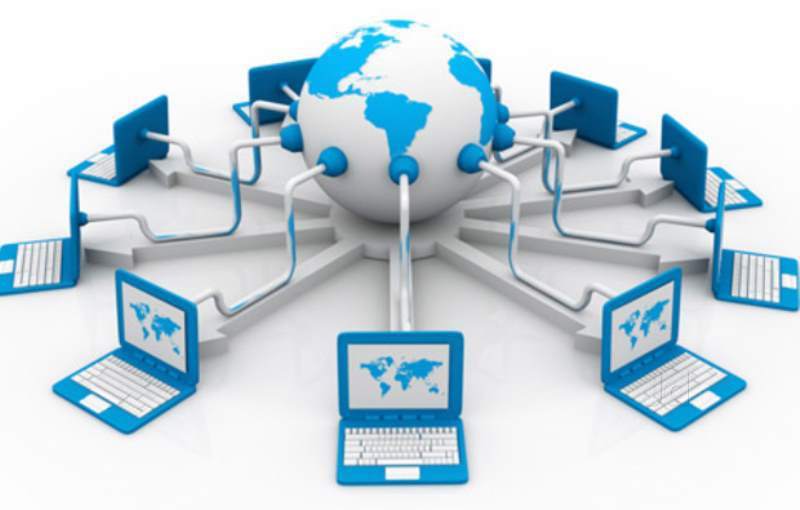
At its core, the Internet is a global network of interconnected computers and servers that communicate using standardized protocols. This massive digital infrastructure allows information to travel across continents within seconds, creating a highly connected digital society.
Understanding how the Internet works and how it shapes the world is essential in today’s digital age.
What Is the Internet?
The Internet is a decentralized system of networks that connect computers and devices around the globe. These networks communicate using protocols such as TCP/IP (Transmission Control Protocol/Internet Protocol), which ensure that data can be transmitted accurately between systems.
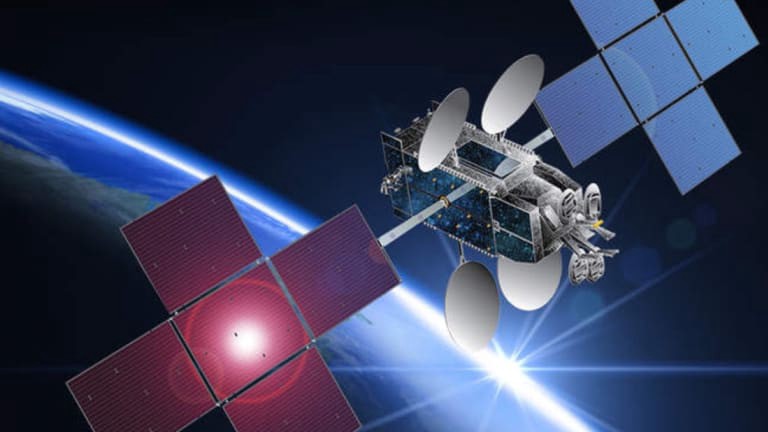
In simple terms, the Internet works like a vast highway system for data. Information travels through fiber-optic cables, satellites, wireless signals, and servers, allowing users to access websites, send emails, stream videos, and communicate instantly.
Key characteristics of the Internet include:
- Global connectivity linking billions of devices
- Decentralized architecture with no single controlling authority
- Open standards and protocols enabling interoperability
- Instant data transmission across vast distances
Because of these features, the Internet has become the foundation of the modern digital ecosystem.
A Brief History of the Internet
The Internet evolved gradually over several decades through innovations in networking and computing.
Early Foundations (1960s–1970s)
The first major step toward the modern Internet began with ARPANET, a project funded by the U.S. Department of Defense. It allowed computers at research institutions to share data across a network.
Important milestones included:
- Development of packet switching, enabling efficient data transfer
- Creation of early networking protocols
- Expansion of research networks among universities
Emergence of the Modern Internet (1980s–1990s)
During the 1980s, the adoption of TCP/IP protocols standardized communication across networks, allowing many networks to connect together.
In 1989, computer scientist Tim Berners-Lee invented the World Wide Web, introducing:
- Web pages
- Hyperlinks
- Web browsers
This innovation made the Internet accessible to the general public and sparked massive global growth.
The Internet Boom (2000s–Present)
Since the early 2000s, the Internet has expanded dramatically with:
- Smartphones and mobile internet
- Cloud computing
- Social media platforms
- Streaming services
- Artificial intelligence and big data
Today, billions of people rely on the Internet daily for both personal and professional activities.
How the Internet Works
The Internet functions through a combination of hardware infrastructure, networking protocols, and data transmission systems.
1. Data Packets
Information sent through the Internet is broken into small units called data packets. Each packet travels independently through the network and is reassembled at the destination.
2. Internet Service Providers (ISPs)
Users access the Internet through Internet Service Providers, which connect homes and businesses to the wider global network.
Common connection technologies include:
- Fiber-optic broadband
- Cable internet
- DSL connections
- Mobile data networks (4G/5G)
- Satellite internet
3. Routers and Servers
Routers direct data packets across networks, while servers store and deliver content such as websites, applications, and files.
Together, these components create a seamless system that allows information to move rapidly across the globe.
Major Uses of the Internet
The Internet supports countless activities that shape modern society.
Communication
Digital communication tools allow people to interact instantly regardless of location.
Examples include:
- Video conferencing
- Messaging apps
- Social media platforms
Information and Education
The Internet provides access to an enormous amount of knowledge.
Students and researchers can:
- Access online libraries and journals
- Participate in virtual classrooms
- Watch educational tutorials
- Collaborate globally on research projects
Business and E-Commerce
Online commerce has revolutionized global trade. Businesses use the Internet to:
- Sell products through e-commerce platforms
- Conduct online marketing
- Manage remote teams
- Offer digital services
Entertainment
Streaming platforms, gaming networks, and digital media have transformed entertainment consumption.
Popular forms of online entertainment include:
- Video streaming
- Online gaming
- Music platforms
- Social media content
Advantages of the Internet
The Internet offers numerous benefits that continue to drive global innovation.
Key advantages include:
- Instant communication across continents
- Access to unlimited information
- Global business opportunities
- Remote learning and work capabilities
- Digital entertainment and media
- Improved collaboration and innovation
These benefits have helped create a highly connected global economy.
Challenges and Risks of the Internet
Despite its advantages, the Internet also presents several challenges.
Cybersecurity Threats
Hackers and cybercriminals exploit vulnerabilities to steal data or disrupt systems.
Common threats include:
- Malware and ransomware
- Phishing attacks
- Identity theft
- Data breaches
Privacy Concerns
Large amounts of personal data are collected online, raising concerns about data protection and digital privacy.
Misinformation
The rapid spread of information online can sometimes lead to the circulation of false or misleading content.
Addressing these issues requires stronger cybersecurity measures, digital literacy, and responsible online behavior.
The Future of the Internet
The Internet continues to evolve with emerging technologies that will further reshape digital life.
Future developments may include:
- Faster global connectivity with 6G networks
- Expansion of the Internet of Things (IoT)
- More immersive experiences through virtual and augmented reality
- Greater reliance on cloud computing
- AI-powered digital services
As connectivity expands, the Internet will likely become even more integrated into everyday life, influencing economies, education, healthcare, and social interactions.
Frequently Asked Questions (FAQs)
1. What is the difference between the Internet and the World Wide Web?
The Internet is the global network infrastructure, while the World Wide Web is a system of web pages and websites that operate on that network using browsers.
2. How many people use the Internet worldwide?
More than five billion people globally have access to the Internet, and the number continues to grow as connectivity expands.
3. What devices can connect to the Internet?
Many devices can connect to the Internet, including computers, smartphones, tablets, smart TVs, gaming consoles, and IoT devices.
4. What is broadband Internet?
Broadband refers to high-speed Internet connections that provide faster data transmission than traditional dial-up connections.
5. Why is cybersecurity important on the Internet?
Cybersecurity protects users from data theft, hacking, fraud, and malware, ensuring safe online communication and transactions.
6. What is the Internet of Things (IoT)?
The Internet of Things refers to physical devices connected to the Internet that can collect and exchange data, such as smart home devices, sensors, and wearable technology.
7. Can the Internet ever run out of space?
While the Internet itself cannot run out of space, systems like IP addresses and data storage require constant upgrades and new technologies to support growing demand.







Comments